A useful starting point is a customer question, a buying objection, or a product detail that needs explaining. Choose one, decide what the reader should understand, and make the post around that outcome. You do not need a new topic every day. You need a clear reason for the next piece of content.
Give each post a job.
“We need to post something” is a production task, not a brief. Before opening a design or video tool, finish this sentence:
After seeing this post, the right person should understand ______.
For a coffee brand, that might be how to choose a grind, what the coffee tastes like, or how it fits into a morning routine. For a software business, it could be how a feature solves a familiar problem. The principle is the same: make the idea useful to a particular person.
Choose one main job. A post can introduce a problem, explain your product, answer an objection, show evidence, or invite an action. Trying to do all five in one short video usually makes the message harder to follow.
A person who has never heard of your product needs different information from someone comparing plans or preparing to buy.
Listen for questions worth answering.
Your existing conversations are a practical place to look. Read sales-call notes, support messages, product reviews, and the questions people ask in comments. Look for wording that repeats, especially when it reveals a hesitation.
- Understanding: “What does this actually do?”
- Fit: “Will it work for someone like me?”
- Effort: “How much work will I need to do?”
- Trust: “Can I see a real example?”
- Action: “What do I do first?”
Keep the original wording in your private research notes. When you publish, remove personal details and get permission before attributing a customer quotation. A recurring question can inspire a post without exposing the person who asked it.
If you are just starting, write down questions you expect buyers to ask and mark them as hypotheses. Test them in conversations. Do not present an assumption as something your customers have already told you.
Let the explanation choose the format.
An image works when one visual and a short message can carry the idea. A carousel gives you room to explain a sequence or compare options. A short video is useful when movement, a product demonstration, or a voice makes the story clearer.
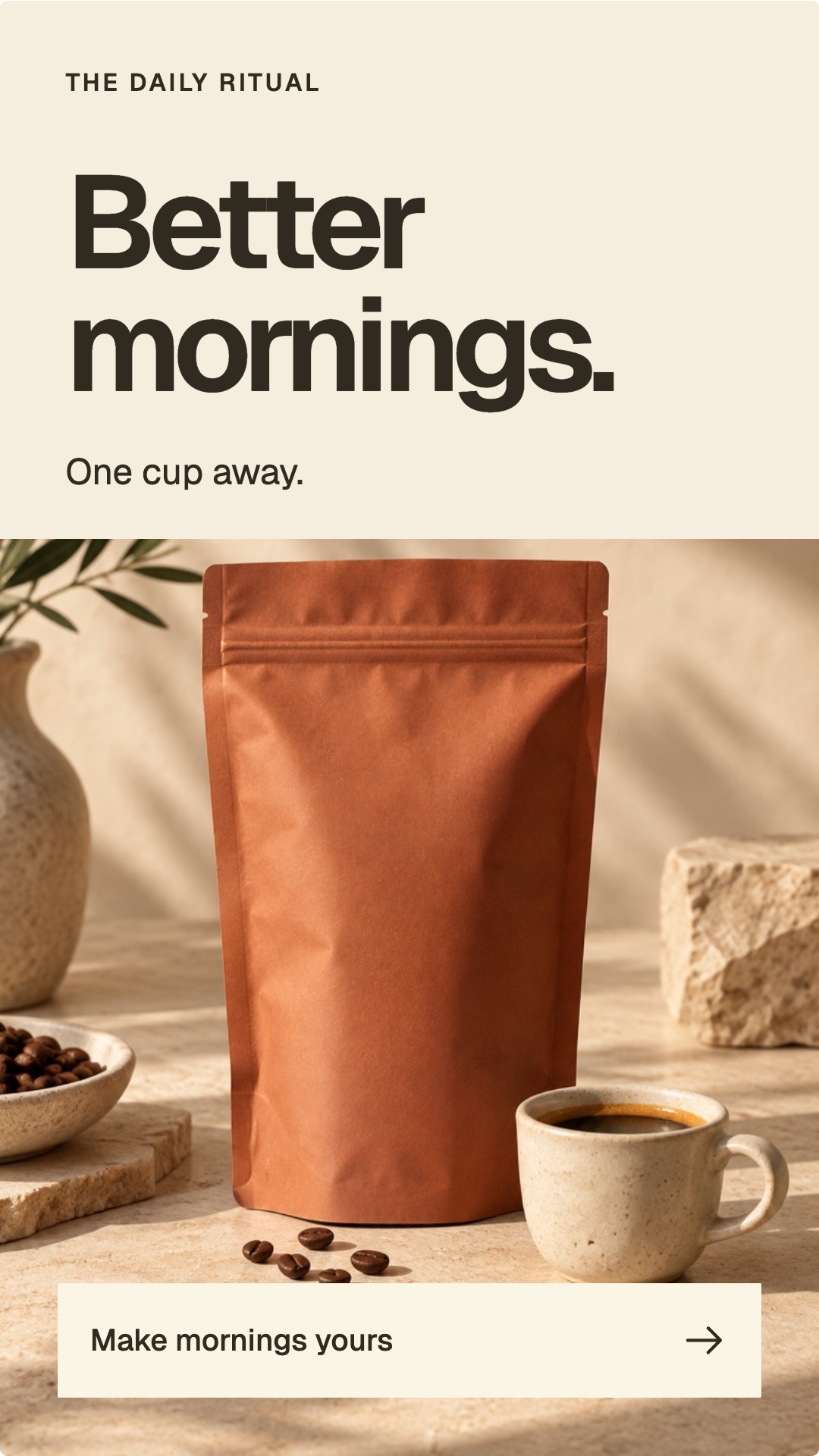
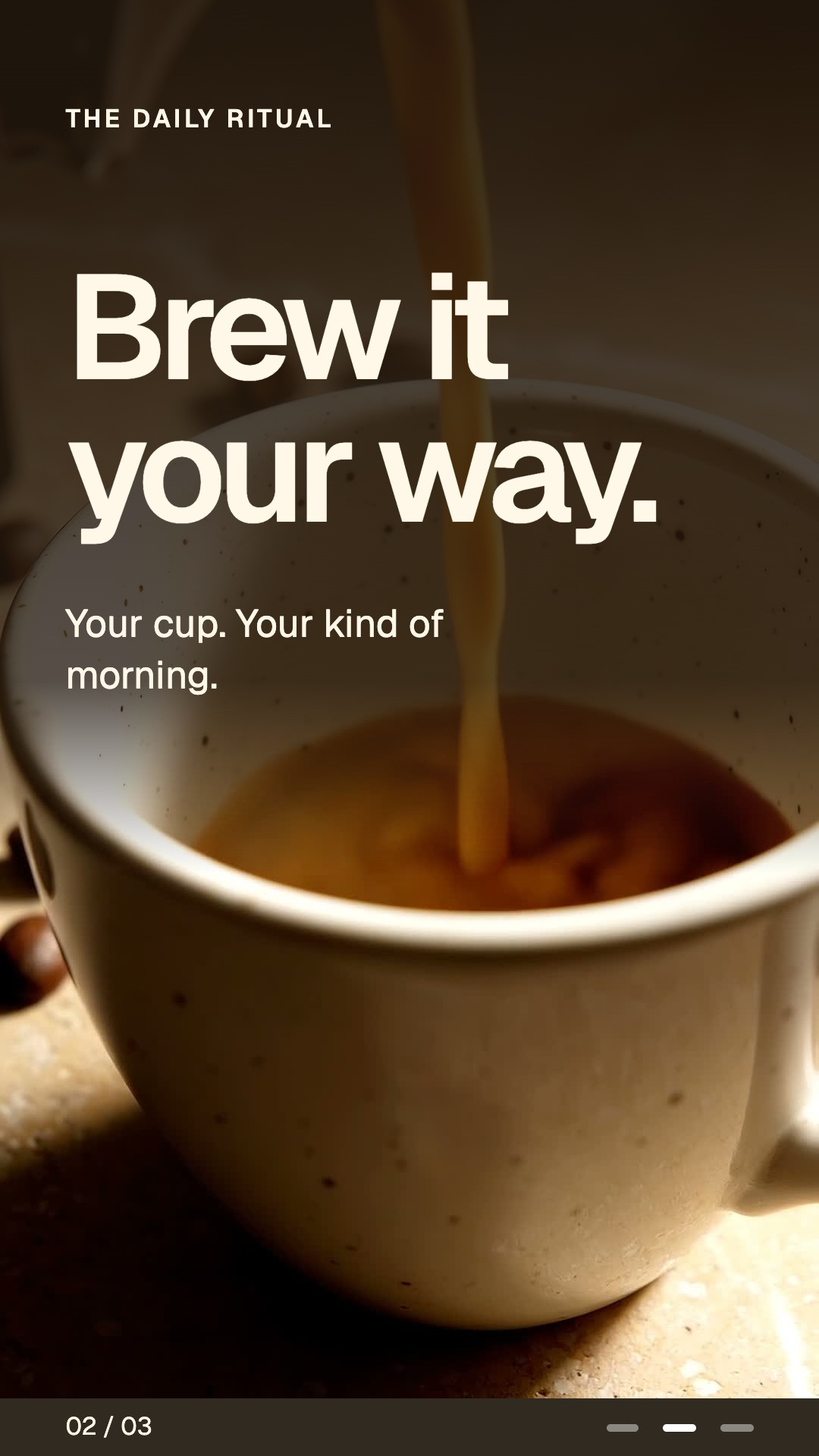
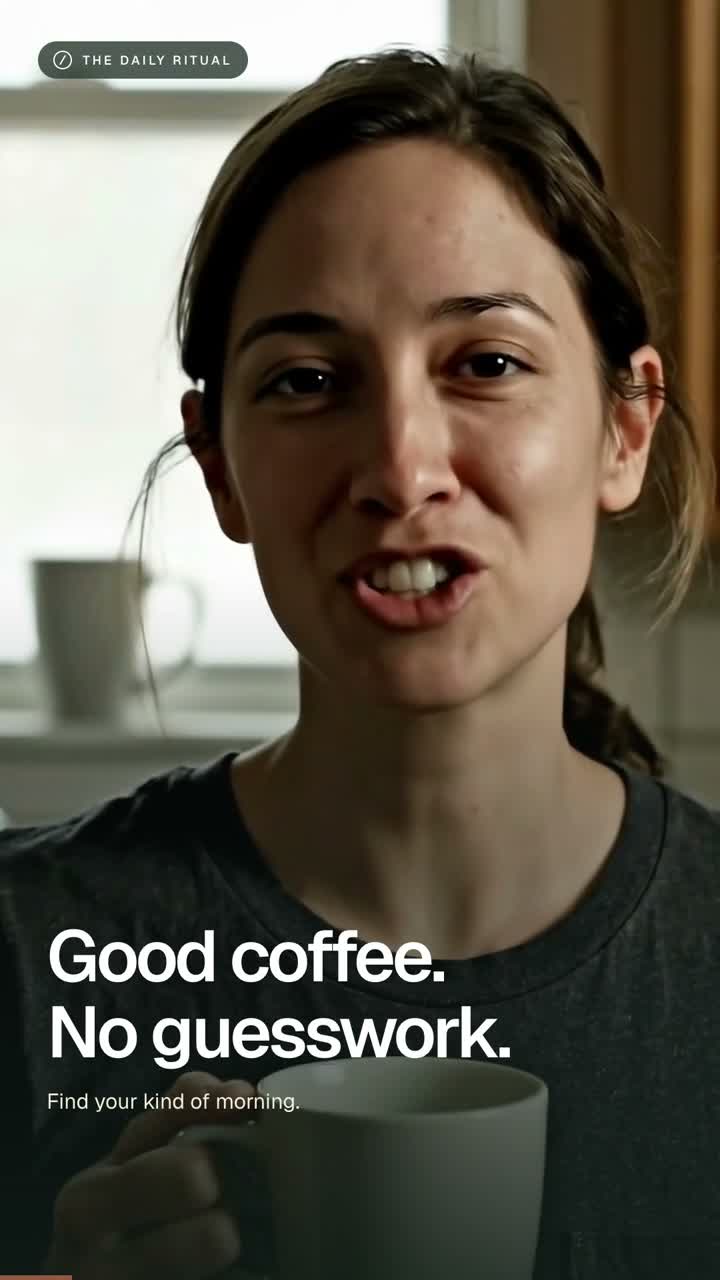
Keep production effort in view. A useful, well-designed carousel can be a better choice than a complicated video that never gets finished. If you choose video, use our guide to creating publish-ready AI videos to turn the brief into a complete production process.
A seven-post plan, with a reason behind every idea.
Download the plan ↓Here is a worked example for a fictional coffee brand. These are seven ideas to schedule at a pace you can sustain, not a requirement to post every day. Product claims should always match the coffee you actually sell.
| Customer question | The post | Why this format? |
|---|---|---|
| Which grind should I choose? | A three-slide guide to matching grind and brewer. | Carousel: explain one decision at a time. |
| What does the coffee taste like? | A simple visual explaining the product’s verified tasting notes. | Image: make one product detail easy to scan. |
| How do I make it at home? | A short demonstration of one brewing method. | Video: show the process in motion. |
| Who is this coffee for? | A post connecting the product to a specific preference or routine. | Image: a focused message for a clear audience. |
| How should I store it? | A practical storage guide, checked against your product advice. | Carousel: make the steps easy to revisit. |
| What do customers think? | A genuine customer experience, with permission. | Image or video: use the format the evidence supports. |
| Where do I start? | A clear introduction to the right first product or buying guide. | Short video: demonstrate and invite one next action. |
Notice what connects the plan: each post removes a small piece of uncertainty. The formats change, but the product story stays coherent. That is a more useful constraint than trying to make every post look different.
Use the result to choose the next question.
Decide what evidence would be useful before you publish. An educational post might lead people to save it or ask a more specific question. A product demonstration might bring relevant visits to a product page. A buying guide might help people take a first step.
Read those signals in context. A post with many views has not necessarily helped someone understand the offer or buy. Compare similar channels, formats, audiences, and distribution conditions where possible.
Keep a simple record: what you expected, what happened, what you learned, and what to try next. Revisit a useful idea with a clearer explanation or a different format. You do not need to abandon the whole subject because one execution was quiet.
Write the next brief in six lines.
Use this before you create. If you cannot answer a line yet, that is a useful research task.
Audience: Who is this for?
Question: What do they need to understand?
Message: What is the one thing we want to say?
Evidence: What can we show or substantiate?
Format: What makes the explanation clearest?
Next step: What should they do or know afterwards?
In Aitoma, your brand playbook provides a starting direction for these decisions. The creative workflow connects that direction with the content you review. Explore how Aitoma creates social content, or see the finished delivery for NAIARA.
This is Aitoma’s practical planning approach. The coffee plan is illustrative, not a report of campaign performance. Adapt the examples to your product, audience, and evidence.